
How Website Architecture Influences Customer Journeys and Search Visibility
Website architecture influences customer journeys by guiding visitors along clear paths. It also improves search visibility because a tidy structure helps a search engine crawl and rank your pages. Plus, the way your pages are organised affects which ones visitors find first and which ones they may miss.
Even with this much influence, site structure often gets less attention than other parts of a website. Most teams spend months on color and copy. Then the menu grows page by page until nothing sits where visitors expect it. At Studio Paralelo, we fix that order before anyone opens the design files.
In this guide, we’ll look at the structure choices that affect buying paths. We’ll also explain how those choices influence crawling and rankings.
Website Architecture Shapes Every Customer Journey on Your Site

Most visitors decide within seconds whether your website is worth exploring. So, a clear site structure helps them quickly see where to go next.
For example, a simple path between the homepage and product pages keeps them moving through the site. But a confusing menu can leave them searching for the right page or heading back to the search results, which can raise bounce rates.
Three pieces of that structure carry most of the weight.
How Users Move From Your Homepage to a Purchase
Users usually move through four steps: homepage, category, product, checkout. Every extra click in that chain drops a share of your buyers.
That’s why we map the five pages people need most and place each one within two clicks of the homepage. It’s a habit we picked up after rebuilding dozens of client stores.
You’re also giving shoppers a reason to trust the route, since labeled steps show them exactly how close they are to buying (people hate guessing what comes next).
Why a Flat Website Structure Beats Deep Nesting for Technical SEO
A flat website structure keeps important pages within a few clicks of the homepage. As a result, visitors can find those pages easily, while internal links help search engines find and understand them.
In contrast, a deeply nested structure makes important pages harder to reach. Search engines may crawl these pages less often, and visitors may struggle to find them. Over time, this can limit their visibility in search results.
Planning website architecture for SEO starts with how easily visitors and search engines can reach important pages. On a 200-page site, you may need to remove unnecessary menu levels and place best-selling products under the main categories.
SEO Navigation Menus That Support User Experience
Clear category names make your website easier to navigate and help visitors understand where each link leads. So, use familiar words that people are likely to search for rather than creative labels that may confuse them.
The main menu should also stay short and easy to scan. Seven items or fewer can work well on mobile screens, where long dropdown menus make it harder for visitors to find the page they need.
For instance, we keep the “contact us” link in the footer and the main categories up top, so users and search engines read the same hierarchy.
What Do Search Engines See When They Crawl Your Site Structure?

Your internal links also help search engines understand which pages are important on your site. As crawlers follow these links, they can find related pages and understand how your content connects. Pages with few or no internal links may be harder for search engines to find.
Three signals help search engine crawlers decide which pages deserve more attention:
- Internal Linking Paths: A page looks important when several internal links point to it from related content. Anchor Text on those links says what the page covers, so your important pages should collect most of both.
- Crawl Depth: Google rarely reaches content sitting five levels deep. So, a structure optimized for SEO increases the number of site pages crawlers can reach each week, while Google Search Console shows you which ones get skipped.
- Clean URL Structure: If your URL structure mirrors your site folders, search engines can understand how your content connects before they read the page copy.
You should treat these three elements as one system, since shortening crawl depth also shortens the link path that carries value to the pages you want ranked. Google’s own SEO Starter Guide makes a similar point about grouping related pages together.
Website Architecture SEO Best Practices: Content, Internal Linking, and Strategy
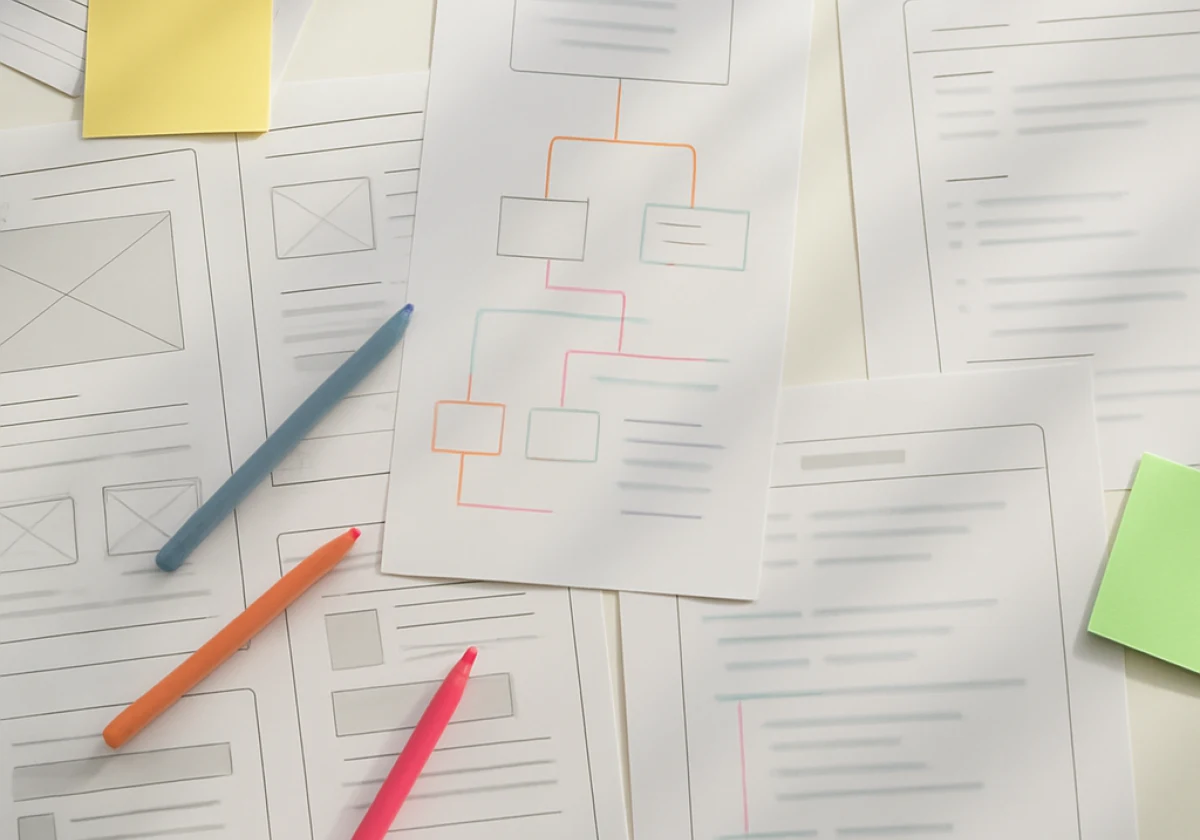
Website architecture SEO best practices can improve search visibility while making the site easier for buyers to use. Your initial SEO planning should cover several areas, including website design, menu labels, content structure, and internal link paths.
SEO Website Architecture pays off twice, once for readers and once for search engine optimization. Start with the three areas that change results fastest.
Organizing Content Into Topic Clusters and Internal Links
Topic clusters group related content under one pillar page. The links between them tell Google which page owns the subject.
For instance, a Seattle coffee roaster might link eight brewing guides back to a single espresso pillar. That builds topical authority on one theme and gives your content marketing a home.
The same structure helps readers. This way, someone who’s likely to find your website through a how-to article can reach your products in one click.
Do Recent Posts and Recent Comments Widgets Help SEO?
Recent posts and recent comments widgets can help search engines find newly published content. They pass fresh internal links to new articles that would otherwise sit unlinked.
They also repeat the same links sitewide, which waters down the signal, so we limit them to five entries on blog templates only (sidebars are not a strategy).
Across client audits, we’ve found that the widget rarely produces a noticeable ranking lift on its own. Its clearer benefit is helping readers find another relevant article and spend more time on the site.
Where Advertising and Landing Pages Fit in Your Hierarchy
Advertising landing pages usually don’t need a place in your main menu. Link them from campaigns instead of navigation, so they don’t compete with your category pages for the same keywords.
Meanwhile, off-site SEO ensures that users of external pages or of social media can find your website without touching your menu at all.
Then you can promote your website and attract buyers through both channels. After all, one of the main goals of SEO is to reach your target audience.
Keeping Pace With a Guide to Google SEO Algorithm Updates
Once you have these practices in place, keep an eye on how Google Search changes over time. Core updates can affect rankings, but sites with helpful content and a clear structure are in a better position to perform well.
The basic premise of search engine reputation management is to use the following rule: what people find about you should match what you publish. Your site structure helps search engines find and understand the pages that represent your brand.
SEO-related tools like the Google Keyword Planner and Google Analytics provide quantitative data that helps you decide how to structure or revise your content. They identify popular and valuable keywords before you move a single page.
The table below pairs three common update types with the structural fix that protects you:
| Update Type | What It Checks | Structural Fix |
|---|---|---|
| Core quality | Topical depth and clear page purpose | Merge thin pages into cluster pillars |
| Helpful content | Writing aimed at readers, not crawlers | Rewrite category copy around buyer questions |
| Spam and links | Link patterns across your whole site | Prune sitewide footer links, keep contextual ones |
Verdict: Structural improvements can hold up through algorithm updates, while a well-planned SEO strategy can help you rank higher without reworking your site after every change.
Build a Site Structure That Works for Visitors and Search Engines
Your website architecture helps visitors find the information they need. It also helps search engines understand your pages and what your business offers. Plan the structure before focusing on design, so both visitors and search engines can make sense of your site.
Newcomers to the e-commerce and website scene often weigh the cost of investing in an SEO campaign versus a fresh redesign. The first call owners have to make is whether structure or styling comes first, and once you’re convinced of the benefits of SEO, that one answers itself.
Map your main pages and check how many clicks it takes to reach each one. Remove unnecessary levels so visitors and search engines can reach important pages more easily. In practice, better website architecture can support stronger user engagement and search rankings.
Studio Paralelo builds website architecture and site structure for brands that want search visibility with clean customer journeys. Contact us to plan your rebuild and get a hierarchy that works from day one.