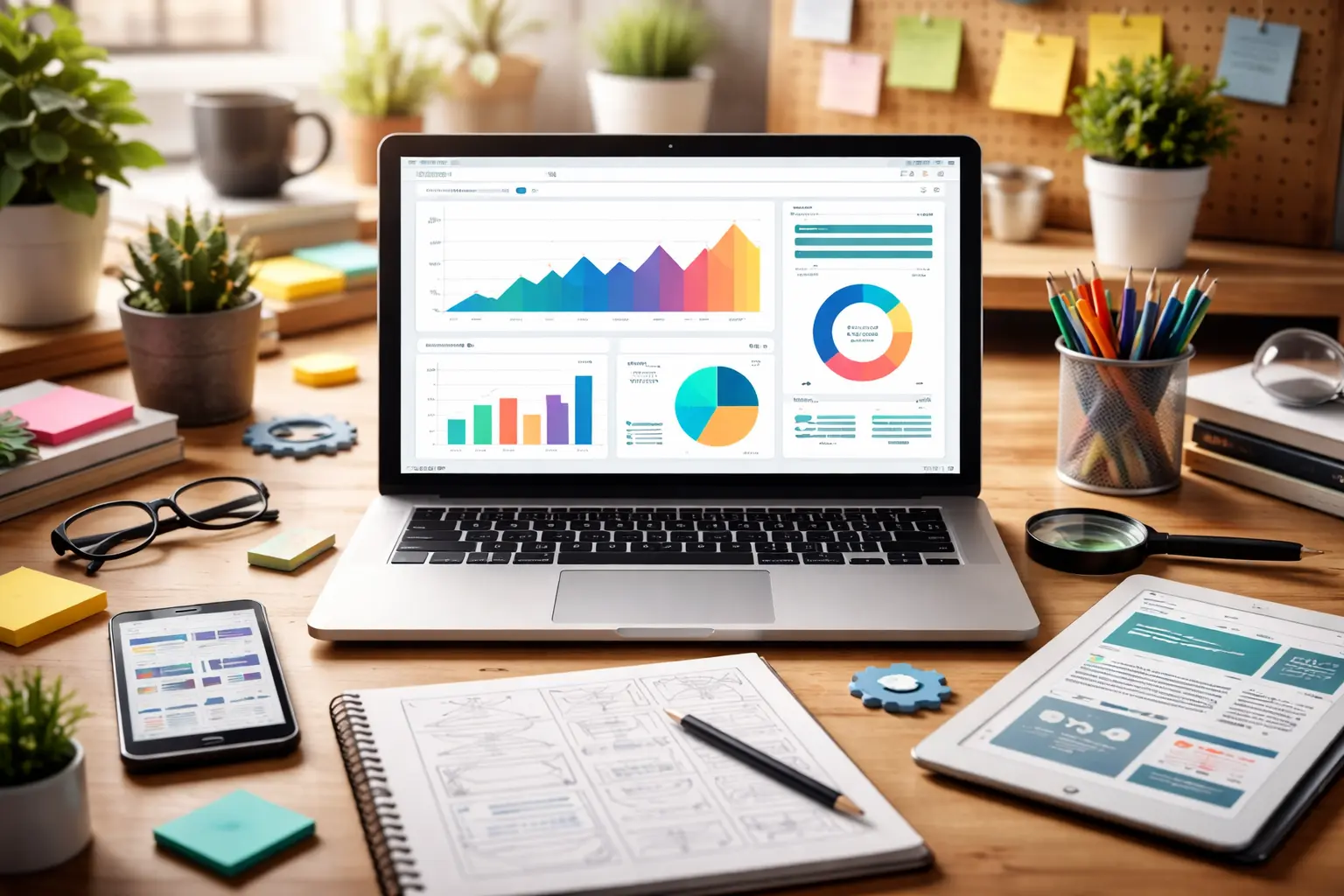
SEO Is Not Just Search Traffic, It Is the Path Visitors Walk After They Click
Does your website get visitors from Google search, but it barely turns them into customers? That usually means your SEO is focused only on rankings and clicks. Yes, getting people to visit your site should be your goal. But if they leave without taking action, that traffic won’t help your business grow.
However, when your website attracts visitors through search engines with the right SEO strategy, those leads are far more likely to convert. In fact, leads generated through SEO close at an average rate of 14.6%, compared to just 1.7% for outbound marketing. That number proves organic traffic can perform well, but only if your website guides users smoothly toward the next step.
In this article, we will share how you can use customer journey SEO, website structure strategy, and the SEO funnel to turn clicks into organic conversions.
We will start by improving your website’s structure to improve rankings and engagement.
Website Structure Tips to Improve Rankings and Keep Visitors Engaged
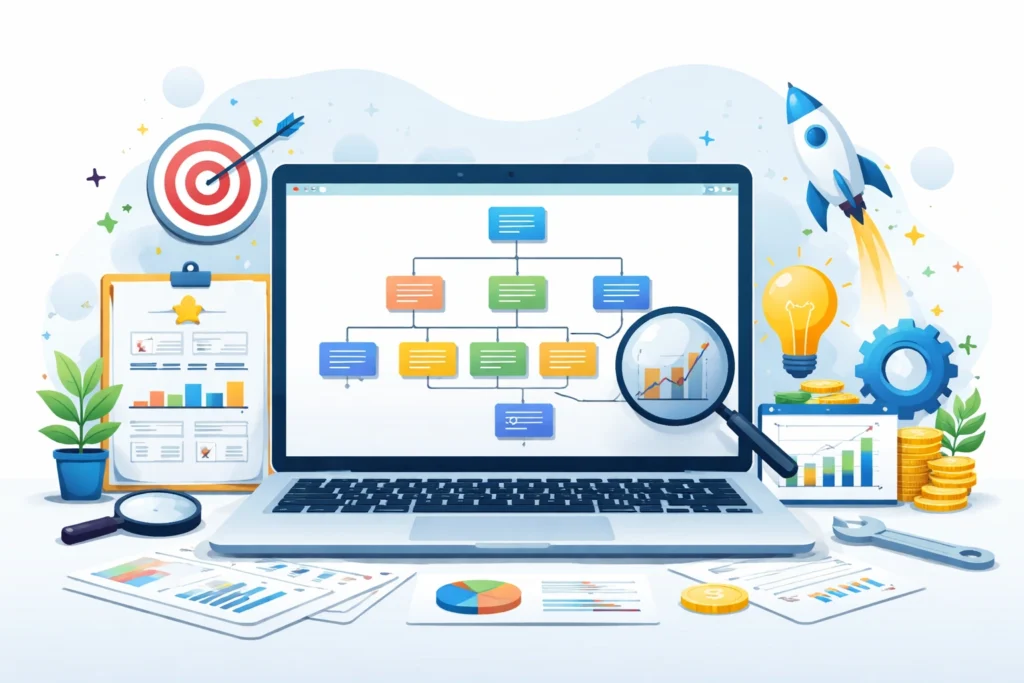
A well-organized website helps both visitors and search engines find what they need. If your pages connect clearly and logically, people will stick around longer and actually take action. It even helps search engine crawlers index your content much faster.
So let us walk through some practical tips to build a site structure that supports organic conversions.
A Well-Structured Website Supports People
Website structure strategy is simply how you organize your pages and link them together. Think of it like setting up a grocery store. You have main categories at the front, subcategories in each aisle, and individual products on the shelves.
For a website, this means organizing main pages at the top, grouping supporting pages underneath, and linking them clearly so users and search engines can navigate easily.
The best approach, however, is a flat structure, where important pages (like service or product pages) sit only three to four clicks away from the homepage. This setup improves user experience because visitors can reach what they need faster.
Plus, it helps search engines understand your site better and see which pages carry the most importance.
Internal Links Are Not Just for Bots
Did you know that your internal links do more than help search engines find your content? These links often guide your visitors through your site and keep them interested. For example, if someone reads a blog about your service and finds a direct link to the service page or case study, they’ll likely click it.
Without these links, visitors often reach the end of a page with no clear next step, so they leave instead of exploring more content. That’s why, from now on, make sure every link you add answers the question: “Where should this person go next?” That is how you help potential customers find important pages they might have missed.
Visitor Experience Optimization Starts with Architecture
Next, a good site structure can guide how your visitors move through your content and influence their experience of your site.
In other words, if your pages flow in a logical order, people will start to trust your brand. They’ll spend more time reading, clicking, and exploring your site. All of that extra engagement can lower bounce rates and even lift conversion rates over time.
On the other hand, if your site has broken links and confusing menus, users will leave quickly (and you miss potential conversions). So your goal should be to build paths through your site so people can follow them all the way to the end.
Map User Clicks to Improve Your SEO Conversion Funnel
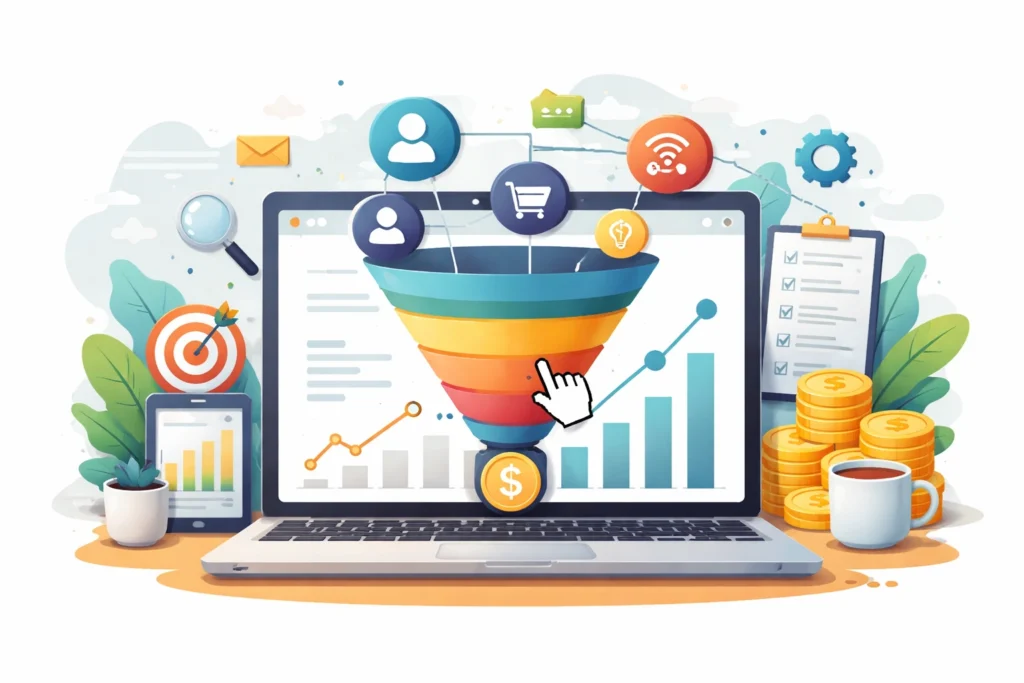
Your SEO content should also guide your visitors toward a clear goal. This means every page needs a purpose, and every click should move people one step closer to becoming a customer.
Here’s a look at some practical ways to connect your content to the customer journey.
Match Your Content to the SEO Funnel
The SEO funnel has three main stages: Awareness, Consideration, and Conversion.
In the Awareness stage, people first find your brand and learn what you offer. As they show interest and compare options, they move into the Consideration stage. Finally, when they are ready to decide and take action, they reach the Conversion stage.
Now, each of these stages needs different content to keep people moving forward. Blog posts and how-to guides, for example, work well for awareness because they answer early questions.
Conversely, case studies and comparison pages fit the consideration stage when people are still weighing their options. And product pages and testimonials close the deal at conversion. This way, if you match content to intent, visitors flow naturally from one stage to the next.
Turn Customer Journey Maps into Click Paths
Customer journey maps show you every touchpoint a visitor has with your brand. Because of this, they also help you plan your internal links and content in a way that guides people smoothly from one page to the next.
To create these maps, start by tracking how users behave on your site. Then, analyze the paths they follow before completing a goal or making a purchase. Tools like Google Analytics can show you where your visitors come from, how they move through your site, and what actions they take.
And heatmap platforms like Hotjar or Crazy Egg will show exactly where people click and where they stop engaging.
Pro tip: Use funnel tracking, UTM links, and short user surveys to get a clearer insight into where people drop off and what motivates them to take action.
Without this planning, your awareness content may attract traffic, but visitors can get stuck and never explore deeper into your site. The solution is to simply make sure every page has a clear “what’s next” action we mentioned earlier.
For example, link blog posts to related guides so readers can continue learning. Then link those guides to related product or service pages to gently lead visitors toward making a purchase. You can also add calls to action, buttons, or highlighted links that make it obvious where users should click next.
Optimize for Emerging Search Behaviors
Search behavior is changing fast. According to Capgemini, 58% of users now turn to AI tools instead of traditional search engines when looking for products and services. This change means brands need to adjust how they optimize content.
One way to do this is through generative engine optimization, which can help your content appear in AI-generated answers as well as regular search results. All you need to do is structure your pages with specific headings and direct answers so AI systems can easily understand your content.
You can also use tools like Google Search Console to see which search terms bring people to your site. From there, you can refine your site structure and content to match user intent more closely. Brands that adapt to these changes now will be in a stronger position to keep attracting organic traffic over time.
Stop Traffic Loss With a Better SEO Site Structure
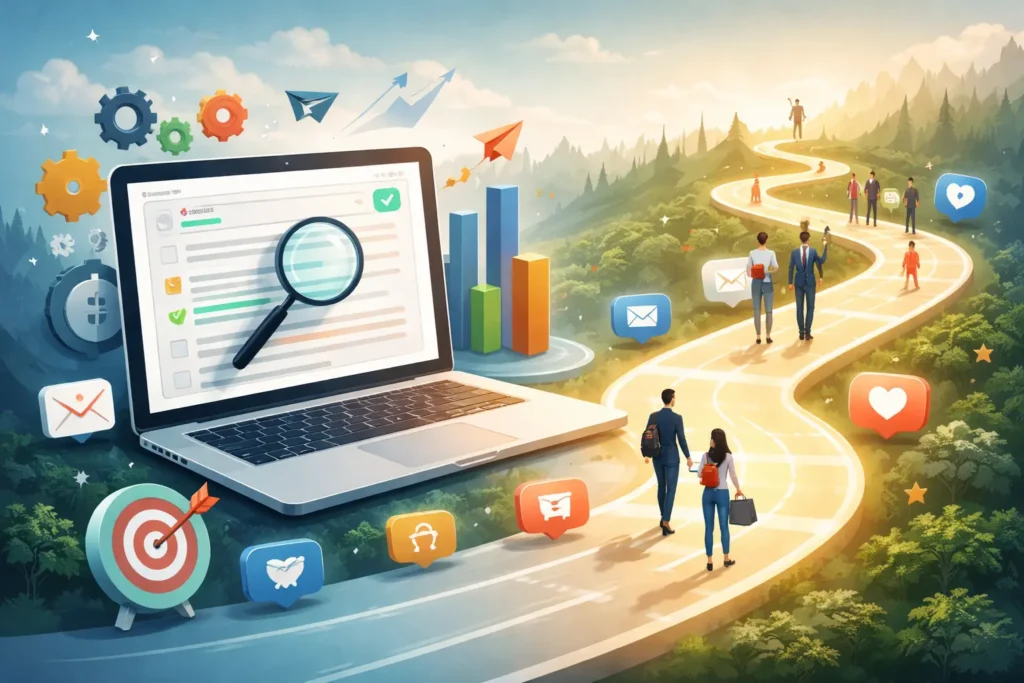
So, does your website guide visitors toward a goal, or does it leave them wondering where to go next? If your site structure does not support organic search journeys, you now know what you’re missing.
A good place to start is by auditing your pages. Look for broken pathways, unclear next steps, and missing internal links. These small gaps can drag down your conversion rates over time.
After that, bring your SEO team, designers, and content creators together to review the findings. If everyone works on a shared customer journey strategy, your pages, structure, and content will align better. This teamwork will make it easier to create a smoother path for visitors and stronger results for your site.
At the end of the day, search engine optimization is all about building a path that turns organic traffic into loyal customers. If you want help creating that path, reach out to Studio Paralelo and let us map the journey together.